

Your Calming
Toolkit
Six techniques you can use in three minutes or less to lower the emotional charge keeping you stuck. Pick one or two. Use them before you start.
Procrastination is a feelings problem · not a productivity problemIt is not the task.
It is the feeling.
When you sit down to do something and your brain says "check your phone" or "do it later," that is not laziness. That is your nervous system protecting you from an uncomfortable feeling. Dread, anxiety, a vague heaviness you cannot name.
The feeling is the reason you are not doing the thing. Until you address the feeling, no to-do list or willpower will fix it. That is why these tools exist.
How to use these tools
The next time you notice yourself avoiding something: pause. Pick one tool. Use it for 60 to 180 seconds. Then start the task. That is the whole system.
Pick one or two. Find the ones that fit.
You do not need to master all of them. You are looking for one or two that feel natural. That is the one you will actually reach for.
Based on the same meridian points used in acupuncture. You tap on specific points on your body while saying "I release and let this go." It sounds strange. Do it anyway. Think about the task you are avoiding, notice the tension in your body, and rate it 1 to 10.
Most people drop 2 to 5 points on the scale in under two minutes. Nothing about it is visible. You can do this at your desk, on a call, anywhere.

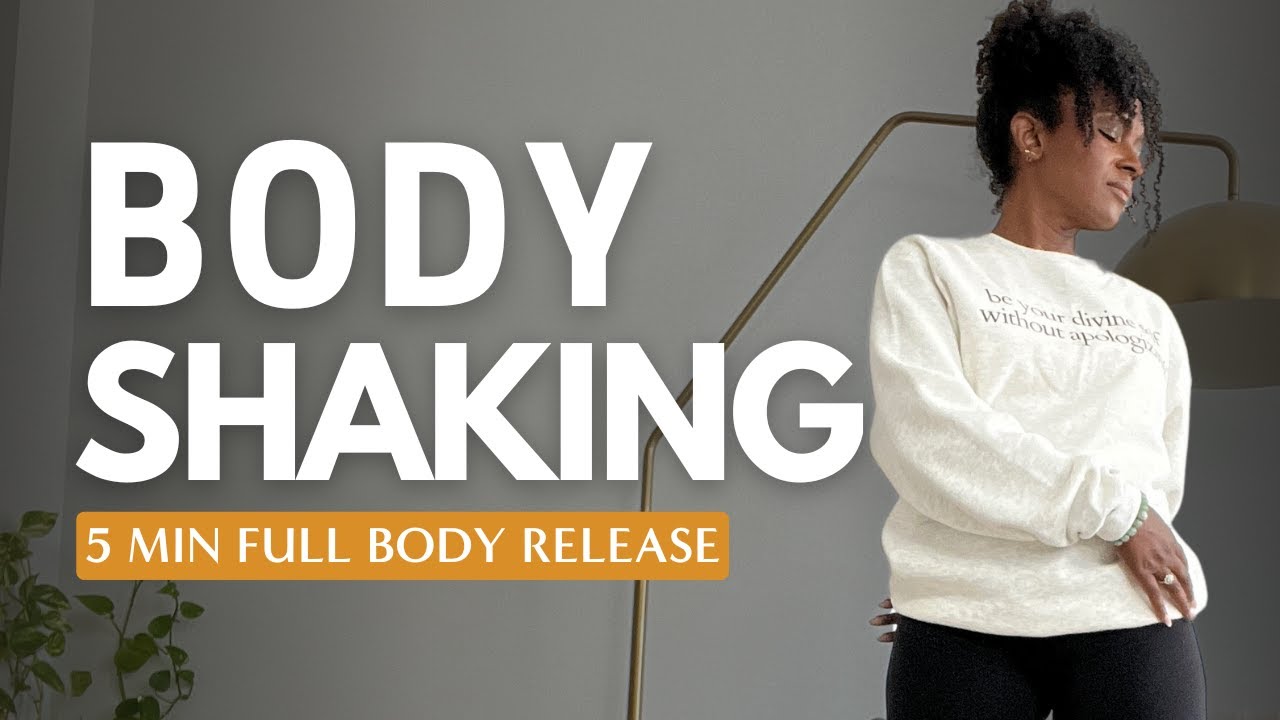
Animals shake after a traumatic experience. It is the body's natural way of releasing stored tension. Toddlers bounce constantly. Somewhere between childhood and adulthood, most people stopped doing this.
Put on your favourite song. Stand up. Shake your shoulders, bend your knees, bounce, dance. Three minutes with music playing and your body moving will shift you out of a freeze state more effectively than any motivational quote.
Get a small object: a ball, your AirPods case, a pen. Think about the task stressing you out. Let the thoughts run. Now pass the object back and forth between your hands, making sure it crosses the centre of your body. Do this for 60 seconds.
This stimulates both hemispheres of your brain and may have a similar calming effect to going for a walk. People typically drop 3 to 5 points on a 10-point anxiety scale in one minute. Stupidly simple. Stupidly effective. Keep the object on your desk permanently.
A guided process you can run in 3 to 5 minutes once you know the steps. The first time feels awkward. After two or three attempts you will run through it in under two minutes without a guide.
When you are stuck, it is often because there is too much happening inside your head. Your brain is trying to create and follow a map at the same time, and it cannot do both.
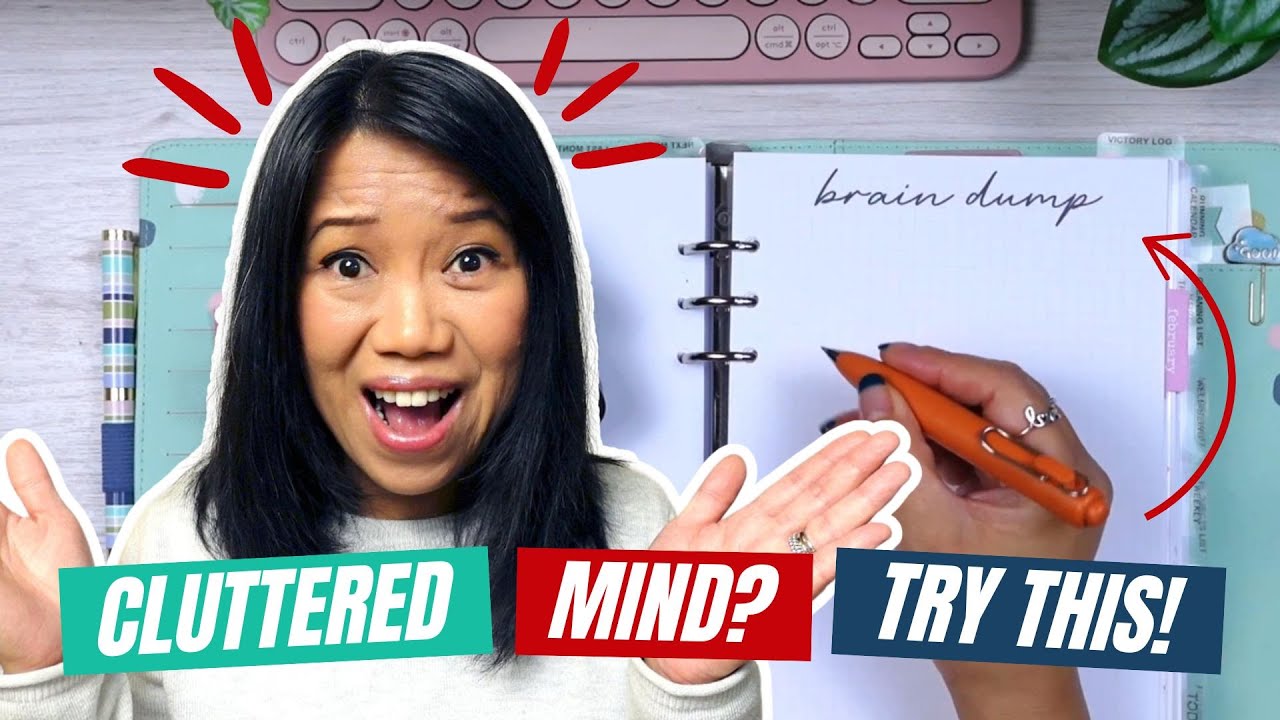
Take a piece of paper. Write the task you are avoiding in the centre. Then write down every single thought, worry, and sub-task radiating out from it. Every "what if," every step you are not sure about, every fear. Do not filter. Just dump.
Pick one fear connected to a task you are avoiding. Not "fear of failure." Be specific. What exactly are you afraid will happen?
- 01What evidence does my brain think it has for this fear?
- 02When I experience this fear, what do I let it mean about me?
- 03Why would this not be true? Be your own best advocate.
- 04If this fear actually happened, how would I handle it?
Most fears are much larger inside your head than they are on paper. By the time you answer that last question, you will often realise: "I could handle it. It would be uncomfortable, but I would survive."
A 5-minute guided
meditation
Meditation is not about emptying your mind. It is about learning to let thoughts pass without attaching to them — and without believing them as true.
When you are stuck and avoiding a task, your brain is usually running a doom loop: worst-case scenarios, self-judgement, projections about what will go wrong. Meditation trains you to notice the loop, step back from it, and return to the present moment. That is what breaks the freeze.
This is a 5-minute guided session by Jon Kabat-Zinn, who brought mindfulness-based stress reduction into clinical medicine. You do not need to be a meditator. You just need five minutes and somewhere to sit.

Try two tools. Find your two.
You do not need to master all six. You just need to find which ones feel accessible to you, so that next time you are stuck you have something to reach for that is not your phone.
Take two capsules of Genius Mind. Pick a tool. Use it for 60 seconds. Start the task.
saw benefits after 3 months daily use
*Internal Survey of Genius Mind subscribers who had passed 3 months of use, April 2026 (n=56 answers).
The tools work better
when you understand why.
Two pages that give you the full picture.
What to expect, month by month
Most people feel nothing in month 1. Subtle shifts in month 2. Clear results in month 3. Here is what is happening, and what is ahead.
Learn about Your Journey The Science16 ingredients · 30 studies
Why these specific ingredients, at these doses, in this combination. The research behind what you are taking every morning.
Read the Science*These statements have not been evaluated by the Food Standards Agency or the FDA. Genius Mind is not intended to diagnose, treat, cure, or prevent any disease. Individual results may vary.